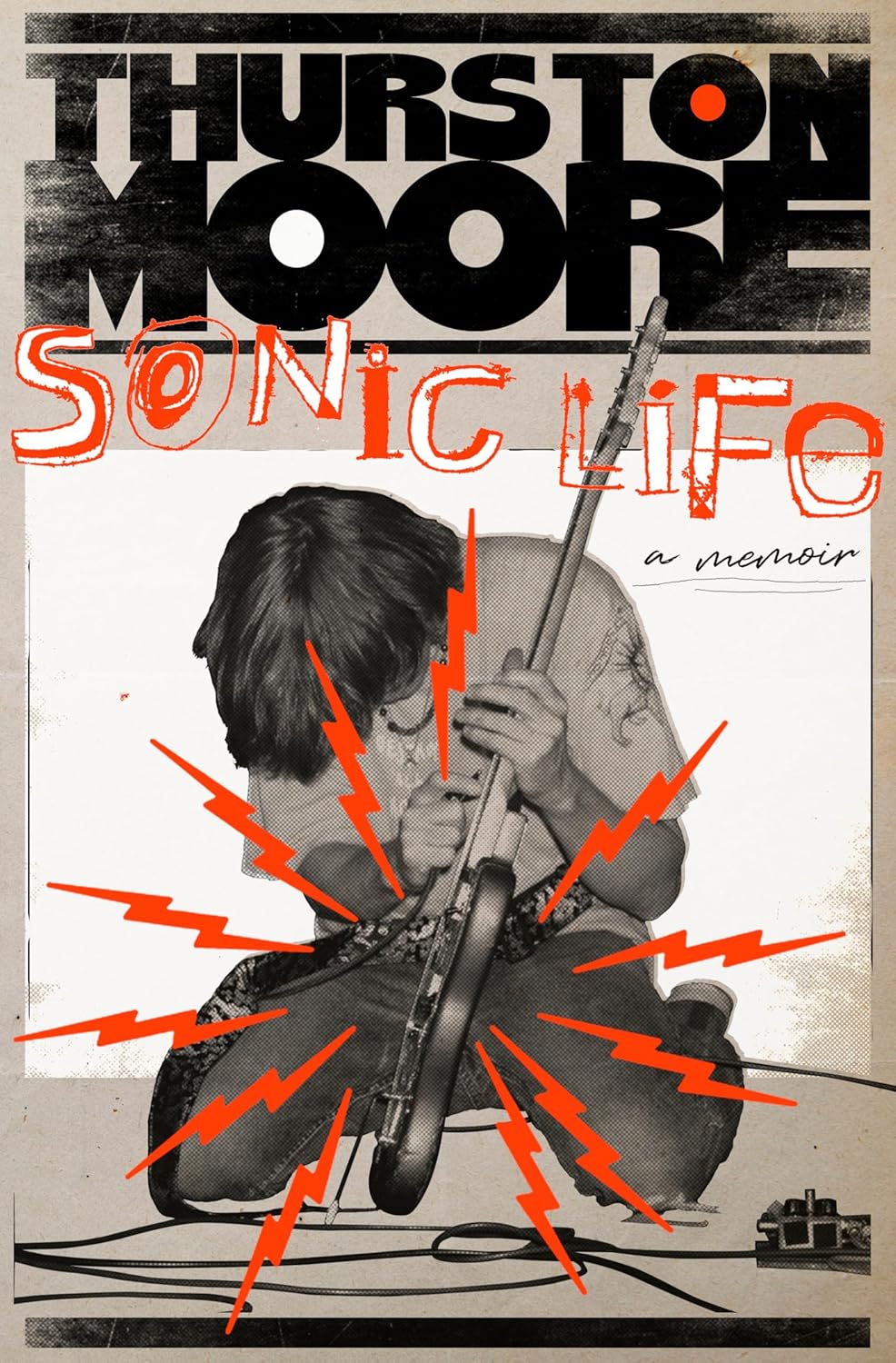
Sonic Life: A Memoir (2023) - Thurston Moore and the Rise of Sonic Youth

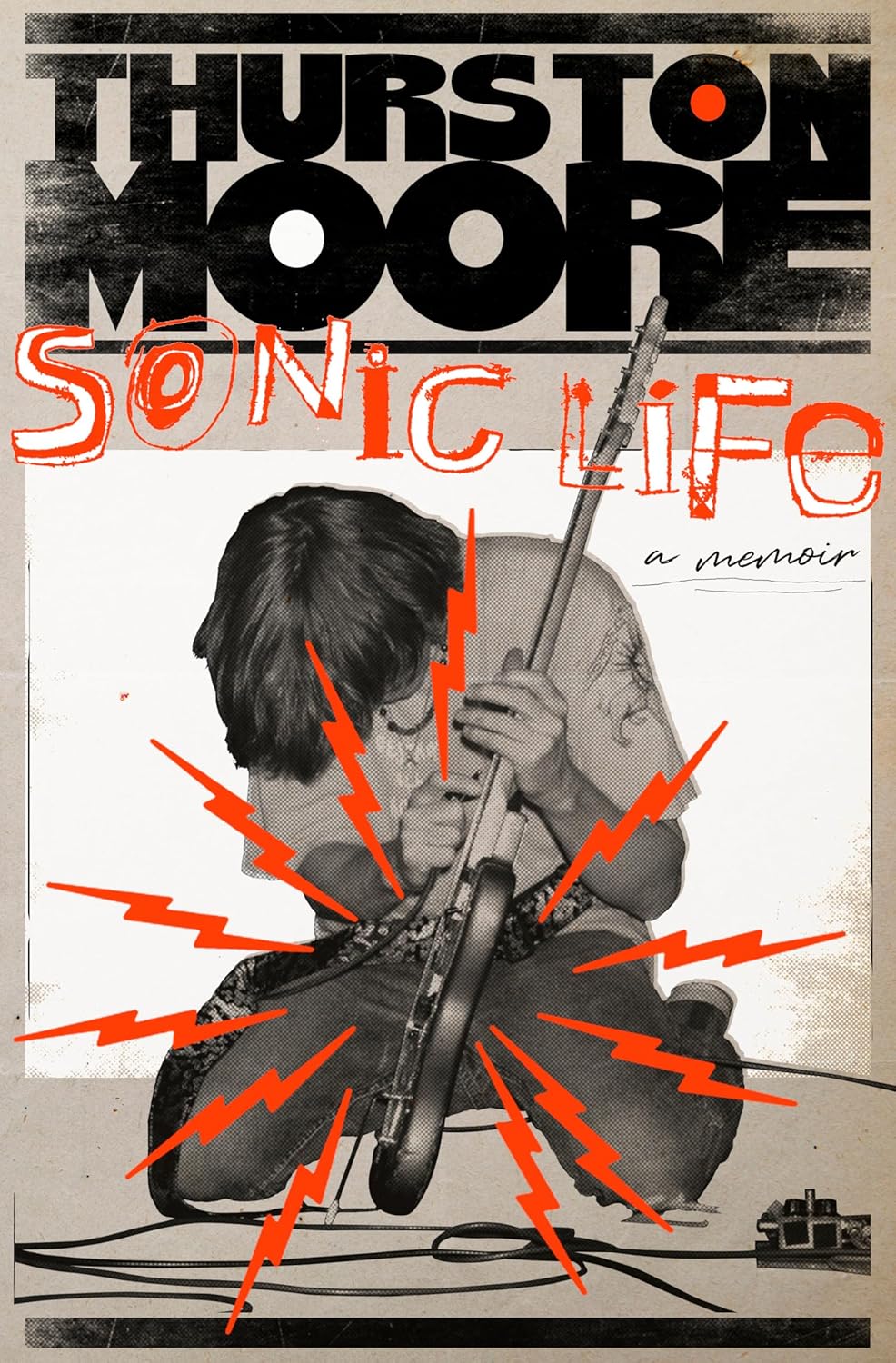
Sonic Life does something interesting; it tries to map a consciousness.
Thurston Moore doesn’t just try recount the rise of Sonic Youth; he documents the evolution of his own ears.
If you’re looking for Sonic Youth scandal, you won’t find much. If you’re looking for a blow-by-blow retelling of drama—especially involving ex-wife and bandmate Kim Gordon it isn't here.
What you will get is something more valuable: a detailed chronicle of how this underground art scene formed, mutated, and reverberated over decades.
Purchase Sonic Life: A Memoir (2023)
Why should you care about Thurston Moore?
Thurston Moore is an American musician and co-founder/guitarist of the alternative rock band Sonic Youth.
Immersed in New York City’s 1970s punk scene, he co-founded Sonic Youth with Kim Gordon and Lee Ranaldo in 1981. Sonic Youth is known for its experimental guitar tunings, use of feedback and noise, and a blend of art-rock/underground punk energy.
Sonic Youth released critically acclaimed albums, Daydream Nation (1988) and Goo (1990), and were highly influential on the grunge and indie rock movements that followed.
Moore was married to Sonic Youth bandmate Kim Gordon from 1984 until their separation in 2011. Sonic Youth has been on hiatus since 2011 as well.
Sonic Life: A Memoir was released on October 23, 2023.
 rockreads
Suburbia
Moore starts in the suburbs as a sensitive kid scanning radio stations and discovering sound. Long before he’s in downtown Manhattan lofts, he’s obsessively cataloging records, zines, and obscure transmissions. The memoir’s early sections feel almost anthropological: we see how a young fan becomes an archivist of culture.
"One afternoon in mid-wail, cranking out high-volume crunge, I could just barely make out a pounding on our front door. I ran downstairs only to be met by a shaking, petrified woman who lived across the street, tears welling in her eyes. Please…can you…lower…the music? —she stammered. “I’m…having…a nervous…breakdown.”
He writes about the tactile rituals of pre-digital music discovery—record bins, handwritten letters, tape trading. The book doubles as a love letter to analog culture. For most now living in the era of streaming and Spotify, these chapters feel like a throwback to a slower, more deliberate music ecosystem.
What stands out is how intentional Moore’s listening was. He wasn’t passively absorbing hits; he was constructing a personal canon.

New York: The Petri Dish
When Moore arrives in New York in the late ’70s, the book really picks up.
The city—grimy, bankrupt, artistic and feral—becomes a central character. Moore describes a downtown ecosystem where no one had money but everyone had ideas. Venues like CBGB function less as stages and more as laboratories.
Moore excels at documenting community. Rather than framing Sonic Youth as geniuses, he situates them within a web of experimenters, poets, filmmakers, and noise.
The message is clear: scenes create bands as much as bands create scenes.
On meeting Kim Gordon:
"I was too shy to kiss her, even politely on the cheek, though I wanted to. So I simply said—
“Okay, see ya around”
—and stuck my hand out, feeling immediately foolish. She cocked her head slightly, half smiling, before returning my handshake."
The Birth of a Band
When Sonic Youth forms, Moore describes it as a convergence—of art-school minimalism, punk energy, and avant-garde ambition. The band’s early years are portrayed not as a meteoric ascent but as incremental calibration.
"I had been holding a band name close to my heart for quite some time, waiting for the perfect moment to share it. I hid it greedily, as if it were a diamond fallen from the heavens, a secret rendezvous with an endless future. It was a group name for every dream I dreamed about rock ’n’ roll:
Sonic Youth."
There’s a fascinating emphasis on tuning systems, guitar modifications, and the physical architecture of sound. For guitar enthusiasts, these sections are gold. For casual readers, they may feel too technical.
Tours are grueling, finances unstable, but creative momentum builds.

Fame Without Gloss
One of the book’s quiet strengths is how it handles the band’s move into wider cultural visibility. Moore portrays the late ’80s and early ’90s not as a betrayal of underground values but as a complicated expansion.
When alternative rock explodes into the mainstream, Sonic Youth occupies a curious position: elder statespersons who never quite become pop stars. Moore doesn’t indulge in bitterness or boastfulness. He seems more fascinated by how ideas travel than by chart positions.
"I strode home afterward intoxicated, the zapping phrases and beats buzzing in my head. I would try to describe the experience to my friends and family, but, like so many epiphanies with music and art, words could only fall short."
There’s a subtle meditation here on integrity. What does it mean to scale up without selling out?

What’s Not Said
Readers may notice what the book sidesteps. The dissolution of Sonic Youth and Moore’s separation from Kim Gordon are not dissected in detail. Instead, the narrative remains anchored in music and community.
The Writing Itself
Stylistically, Sonic Life is immersive and referential. Moore name-checks bands, artists, and movements with the fluency of someone who lived them. The density can be overwhelming if you’re unfamiliar with the underground canon, but that’s also part of the charm. This is a book that trusts the reader.
"While in the thick of it, though, with money scarce and personal hygiene challenged, you could be driven to your wit’s end. The survivors were those who found successful strategies for meditation, relief, and release.
Being in an avant-garde noise rock band wasn’t for everyone."
Aging in Public
One of the most compelling undercurrents in the memoir is longevity. Moore charts decades of creation without succumbing to nostalgia. He doesn’t frame youth as the golden era and everything after as decline.
Instead, he suggests that artistic life is cumulative. Scenes fade. Venues close. Friends drift. But the impulse to experiment persists.
The Final Riff
Is this the definitive history of Sonic Youth? no.
Is it a candid tell-all? no.
For fans of Sonic Youth, the book deepens the mythology without calcifying it. For aspiring musicians, it offers a blueprint rooted in curiosity rather than ambition. For cultural historians, it’s a map of late 20th-century alternative art.
In an era where memoirs often function as brand management, Sonic Life feels refreshingly analog.
Final Rating: 4/5