White Line Fever (2002) Book Review - Motörhead's Lemmy Kilmister A Life With No Apologies

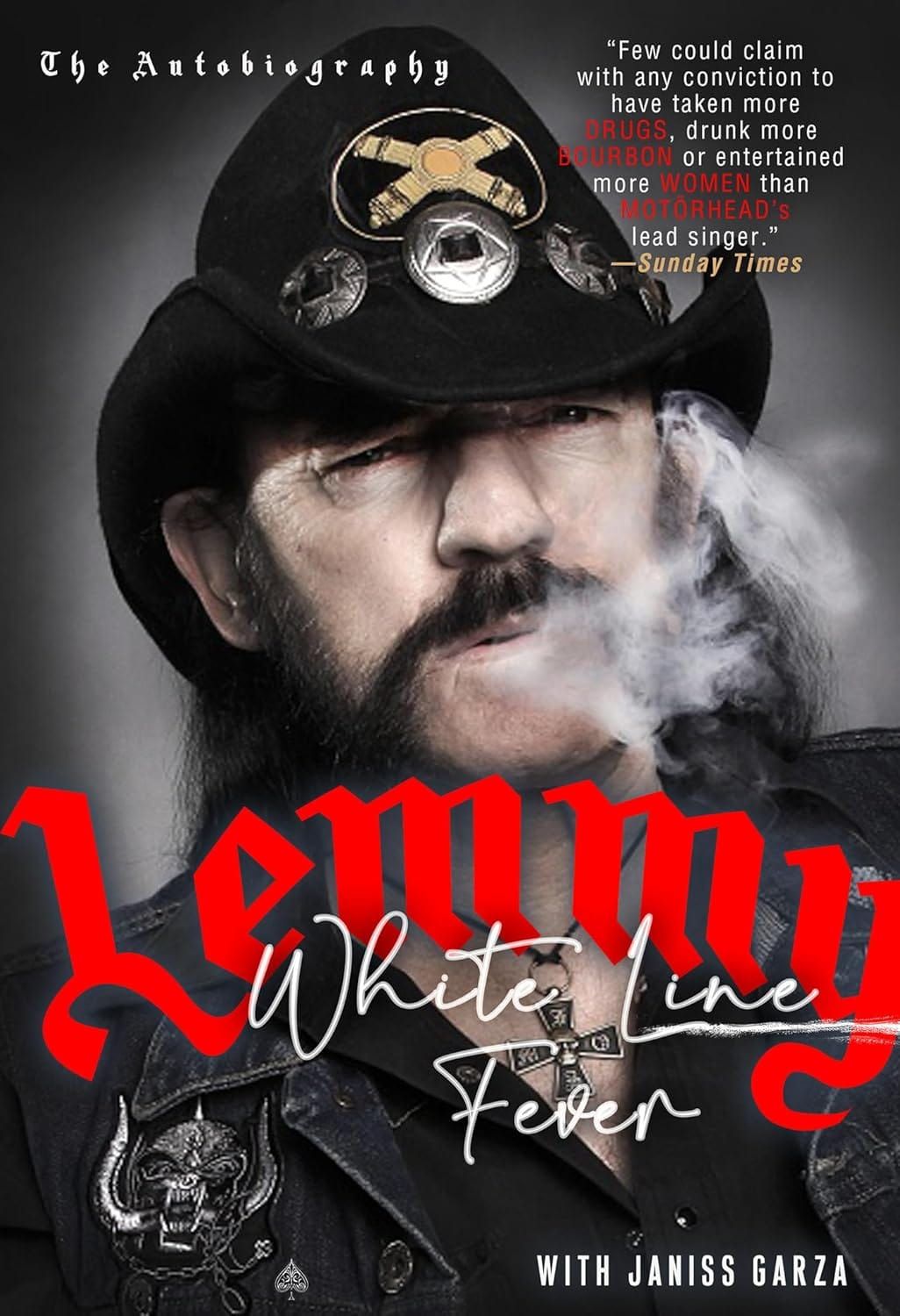
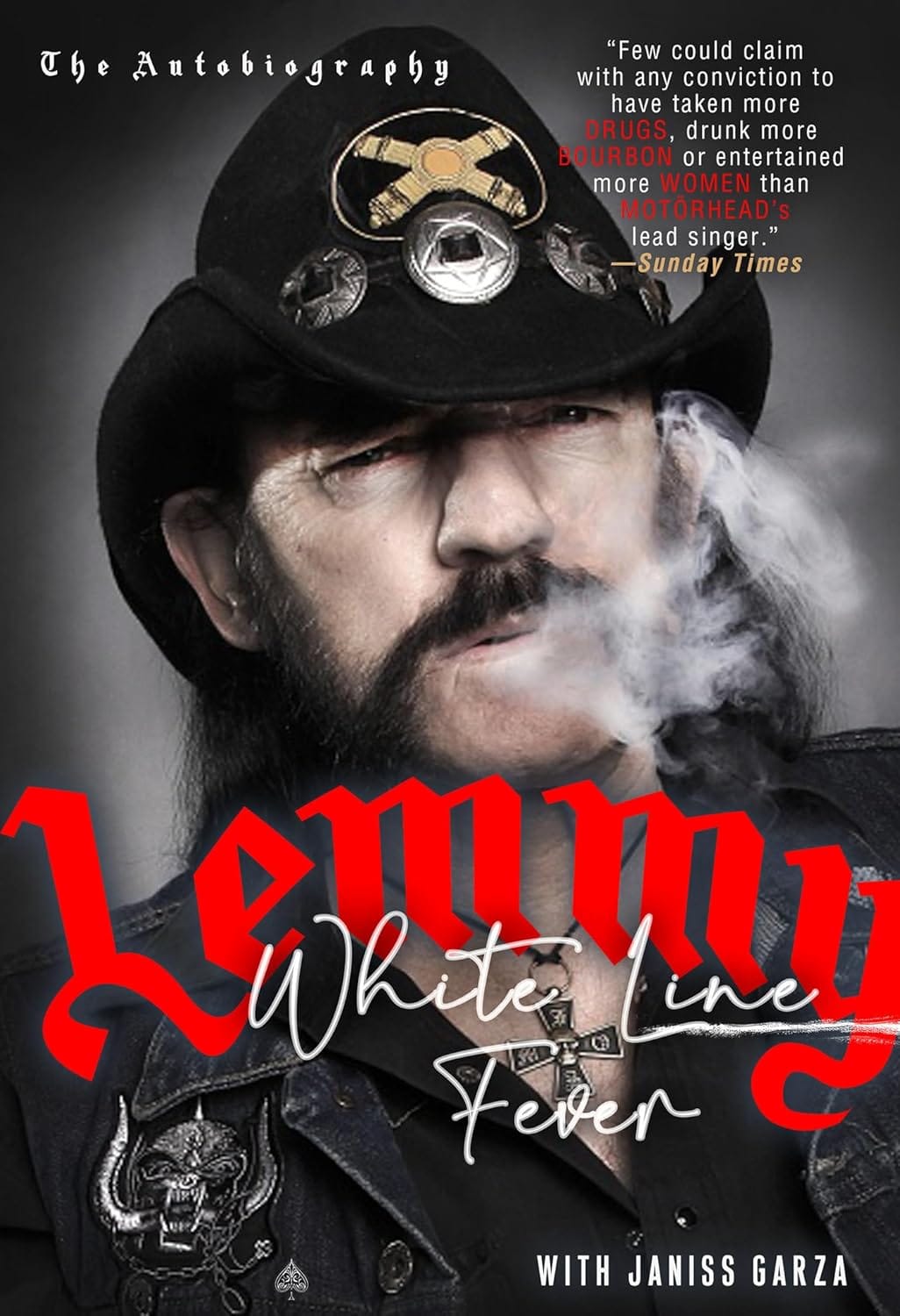
White Line Fever delivered exactly what I expected.
Chaotic, defiant, and unapologetically authentic.
Lemmy Kilmister’s autobiography doesn’t bend toward redemption or reflection. It barrels forward with the same relentless velocity that defined his music.
Founding and forging speed-metal into a cultural force, Lemmy tells his story the same way he lived it: loud, fast, and on his own terms.
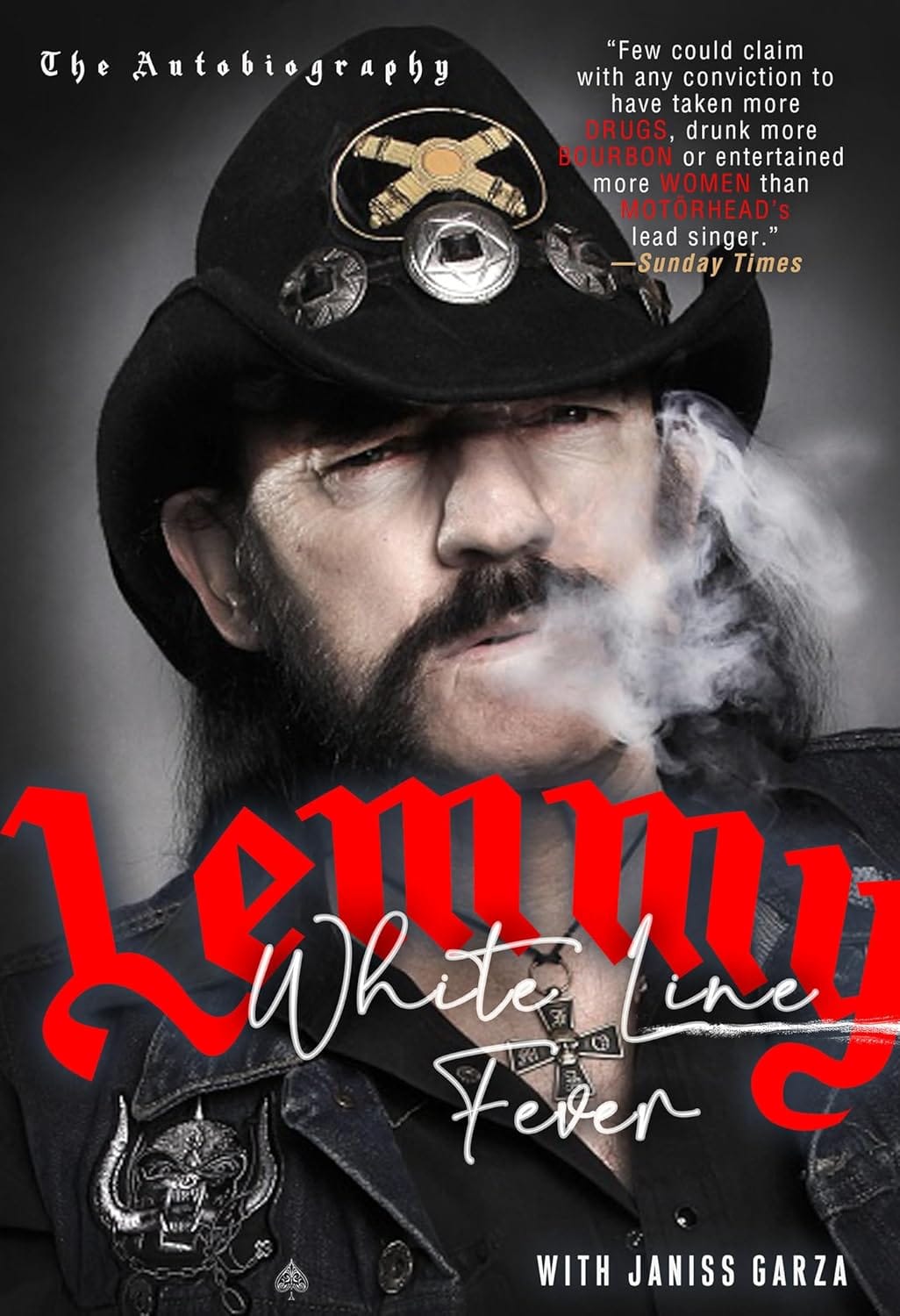
White Line Fever: The Autobiography
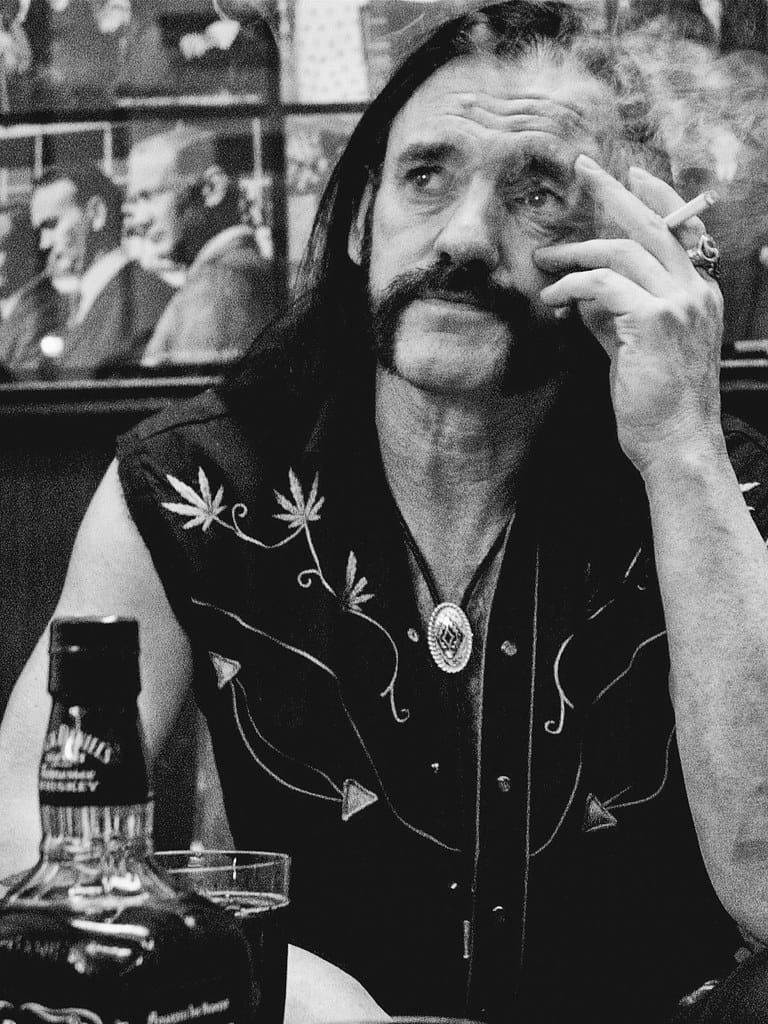
Why should you care about Lemmy?
Ian “Lemmy” Kilmister was the founder, bassist, and voice of Motörhead, the band that helped define speed metal and influenced generations of rock and metal artists. The gravel-voiced singer of excess, rebellion, and hard-earned endurance.
From England, Lemmy came up through the British rock scene as a roadie for Jimi Hendrix before landing in the band Hawkwind, where his louder-than-life personality, amp-melting volume and drug use eventually got him fired.
In 1975, he formed Motörhead, fusing the speed of punk with the weight of metal. Lemmy turned songs like Ace of Spades, Overkill, and Iron Fist into eternal war cries. Motörhead wasn’t about trends or polish — it was about volume, attitude, and never backing down. Motörhead sold more than 25 million albums.
Despite the chaos, Lemmy was widely respected across genres, and collaborated with many artists, including Ozzy Osbourne, Foo Fighters and Metallica.
White Line Fever was released on November 4, 2002.
Lemmy Kilmister died in December 2015.
Growing up on instinct and rebellion
White Line Fever opens with Lemmy’s early years in post-war Britain, a landscape that instilled in him a stubborn self-reliance.
Lemmy speaks of his upbringing, the influence of his stepfather and his musings on the beginnings of British rock; Buddy Holly, and of course the Beatles vs. the Rolling Stones.
"I did like the Stones, but they were never anywhere near the Beatles – not for humour, not for originality, not for songs, not for presentation. All they had was Mick Jagger dancing about. Fair enough, the Stones made great records, but they were always shit on stage, whereas the Beatles were the gear." – Lemmy, White Line Fever
From local bands in England to life as a roadie for Jimi Hendrix, his beginnings are grounded less in ambition and more in immersion—living on the edges of the music world. These formative years establish the theme for the rest of the book: a life led by impulse, instinct, and a refusal to conform.
"I decided to pick up the guitar partly for the music, but girls were at least sixty per cent of the reason I wanted to play. I discovered what an incredible pussy magnet guitars were at the end of the school year." – Lemmy, White Line Fever

Motörhead and the road without end
When Lemmy formed Motörhead in 1975, it wasn’t a calculated rock career move. He created speed metal by accelerating blues and rock influences with pure force. The band’s relentless touring and punishing pace are central to Lemmy’s narrative, and he frames these years not as sacrifices but as the logical expression of who he was and what Motörhead did.
"We were a blues band, really. Although we played it at a thousand miles an hour, it was recognizable as blues – at least to us it was; probably it wasn’t to anybody else." – Lemmy, White Line Fever

Excess as ethos—not lesson
Where many rock memoirs frame excess as a detour on the way to wisdom, Lemmy treats it as part of the landscape. White Line Fever is full of wild stories—drug binges, bar fights, sex, drugs and rock n' roll—but they aren’t moralized or sanitized. Here, indulgence is a fact of life, not a cautionary tale. This sets Lemmy apart from other rock writers who view their wildest moments only in hindsight; for him, those moments were the story.
What doesn’t work
The book’s most compelling quality—its rawness—is also its limitation. There is no arc of growth or reconciliation. No reflection.
White Line Fever often reads as fun, outrageous, and frequently amusing.
I did tire of Lemmy's constant complaints about the treatment of Motorhead; how poorly record labels/industry treated them and how their heavy metal legacy isn't as recognized by other rock bands as he would like.
The music industry:
"Talking of two-faced bastards – my band, Motörhead, got nominated for a Grammy in 1991. The music industry doing us yet another favour, you know. "
"If only for length of service we should get a fucking medal from the music business. "
Their legacy:
"Metallica is one of the few bands that has consistently given us credit, and I hold them in high regard for that."

Is White Line Fever worth reading?
If you want a polished rock story with lessons learned and traumas overcome, look elsewhere. But if you’re drawn to the spirit of Motörhead’s music—the loud, the reckless, the unfiltered—then Lemmy’s autobiography is essential. It feels like sitting across from the man himself: direct, irreverent, and in charge of every word. This memoir doesn’t apologize. It doesn’t explain. It declares.
"Yo, dude, “Ace of Spades”,’ – that’s the famous cry that has come to plague me. Occasionally I get really pissed off. It’d be nice if instead I heard someone say, ‘Have you got anything new out? I’d like to hear it.’ That would be much better. But no, they come up to me and say, ‘You guys were so great!’ And I say, ‘Yeah? If we were so great, how come you stopped listening to us after 1980?’ That’s what I don’t understand – the usual reply is, ‘Oh, I got married.’ People are fucking weird." – Lemmy, White Line Fever
Final Verdict
For fans of raw rock memoirs and anyone curious about the unvarnished life behind Motörhead’s thunder, White Line Fever delivers exactly what its subject would want: honesty, humor, and a life lived at full throttle.
3/5