Acid for the Children (2019) Book Review - The Raw Becoming of Red Hot Chili Peppers' Flea

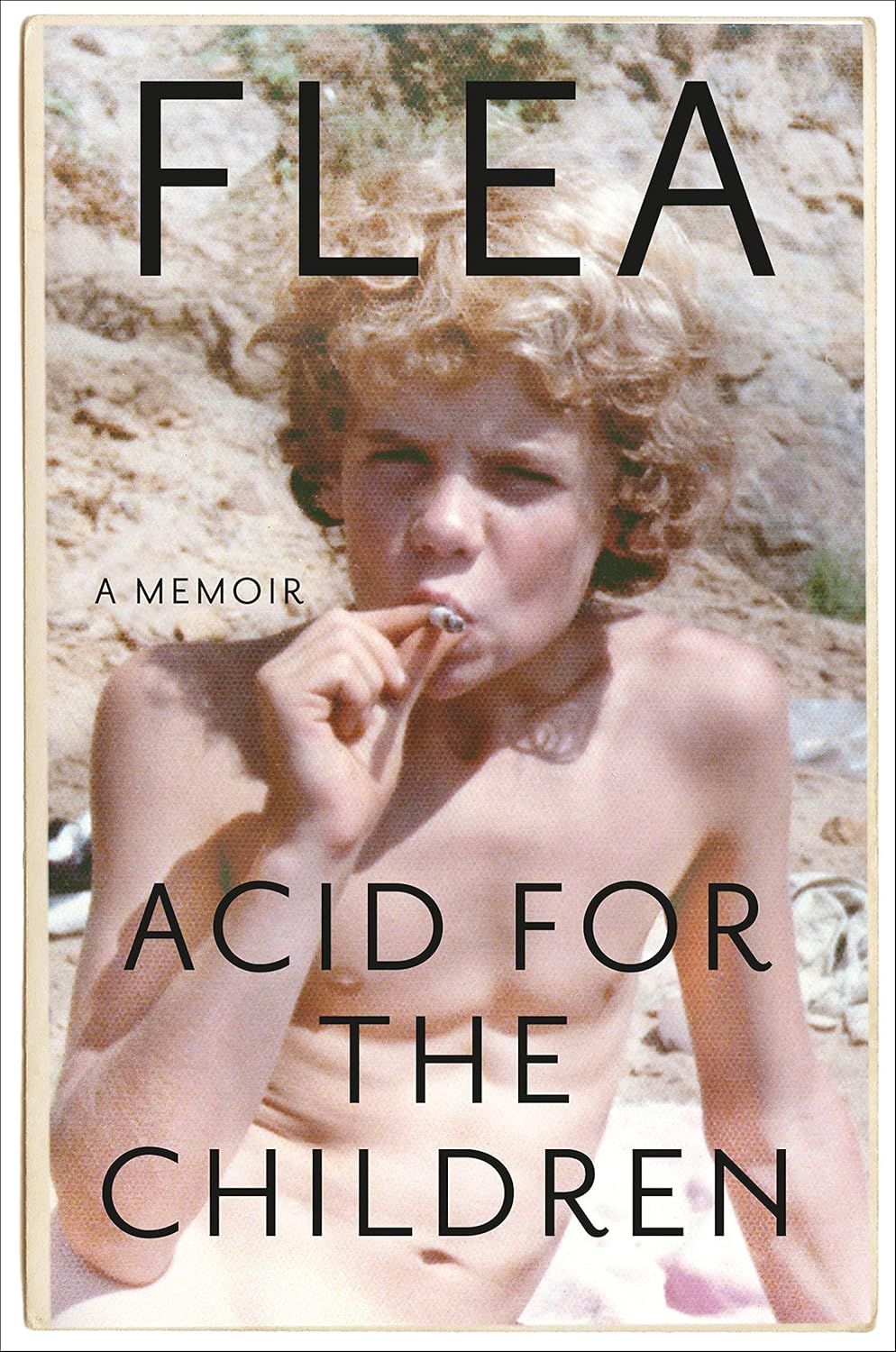
Acid for the Children drifts, darts, and dances around like jazz improv.
I found it was less concerned with chronology and more with sensation, memory, and that electric feeling of becoming.
This is not a book about stadium tours, playing bass or even the dominance of the Red Hot Chili Peppers —at least not primarily. In fact, fans expecting inside accounts of band drama, recording sessions, or rock star excess will find themselves waiting. The memoir actually ends just as the RHCP are on the cusp of breaking through.
The subject here isn’t fame; it’s formation.
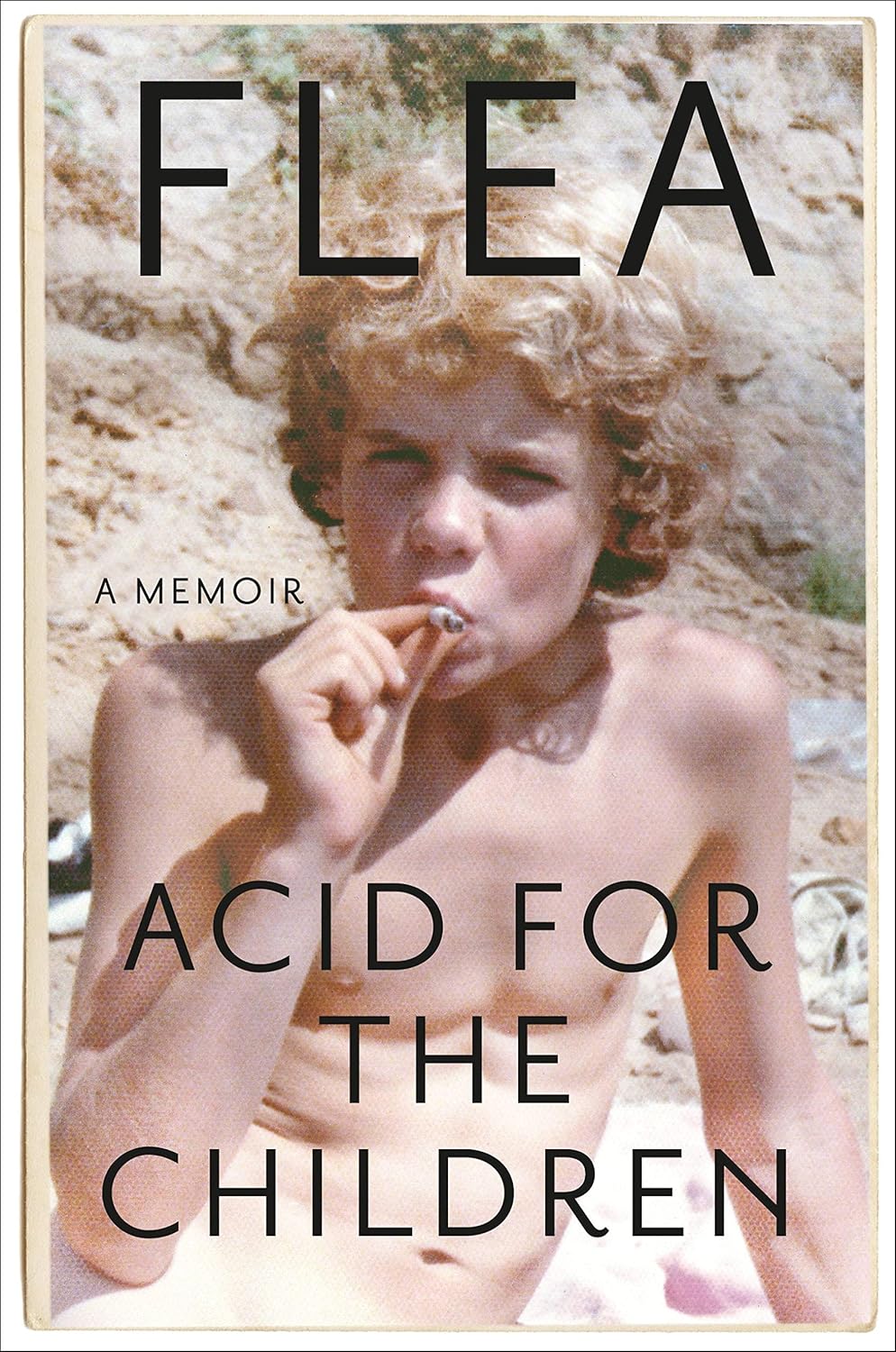
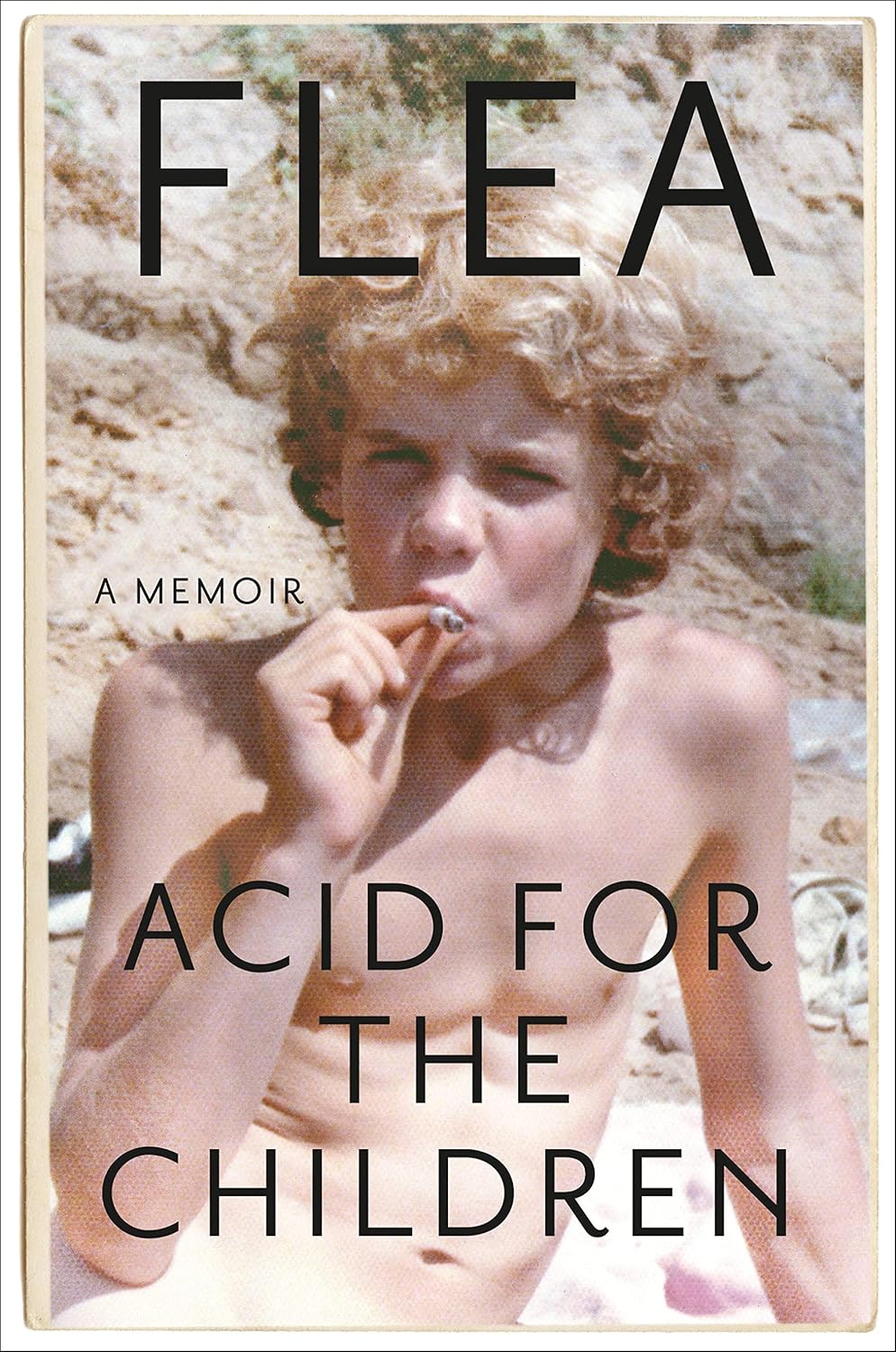
Acid for the Children (2019)
Why should we care about Flea?
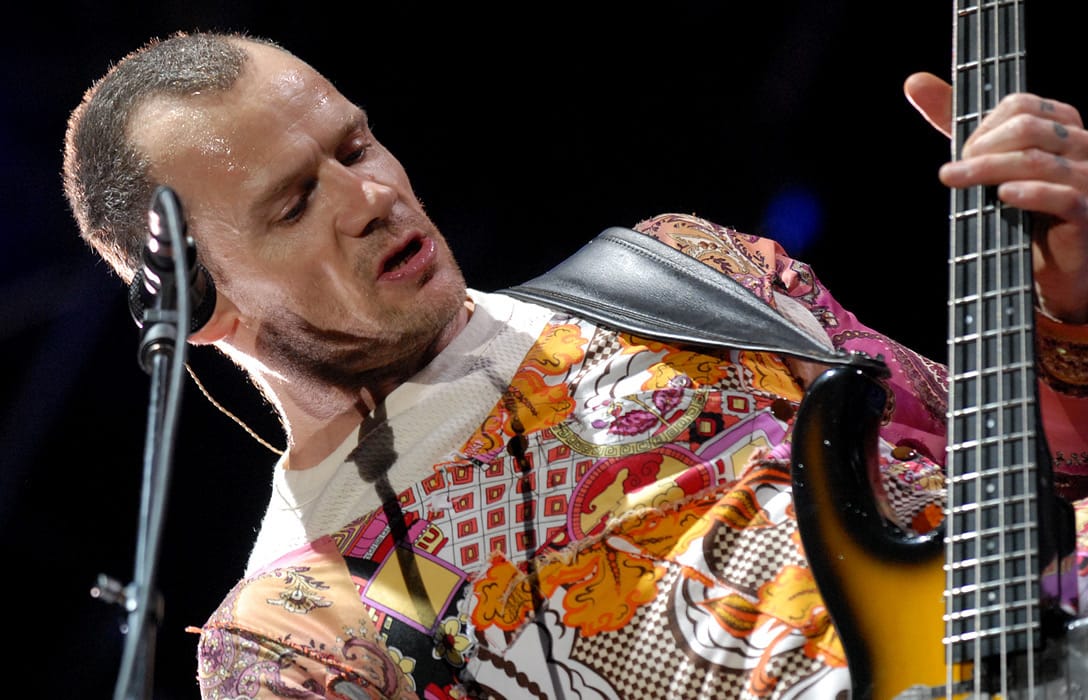
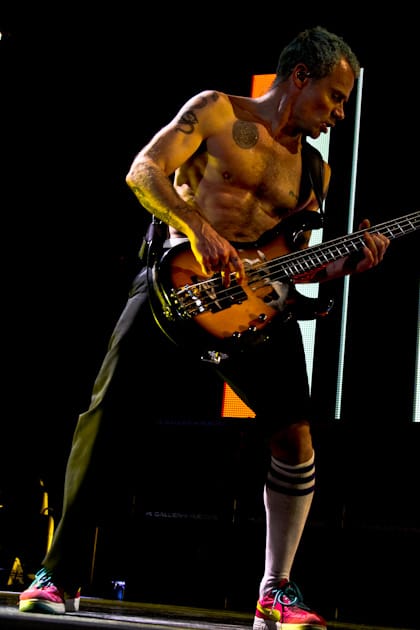
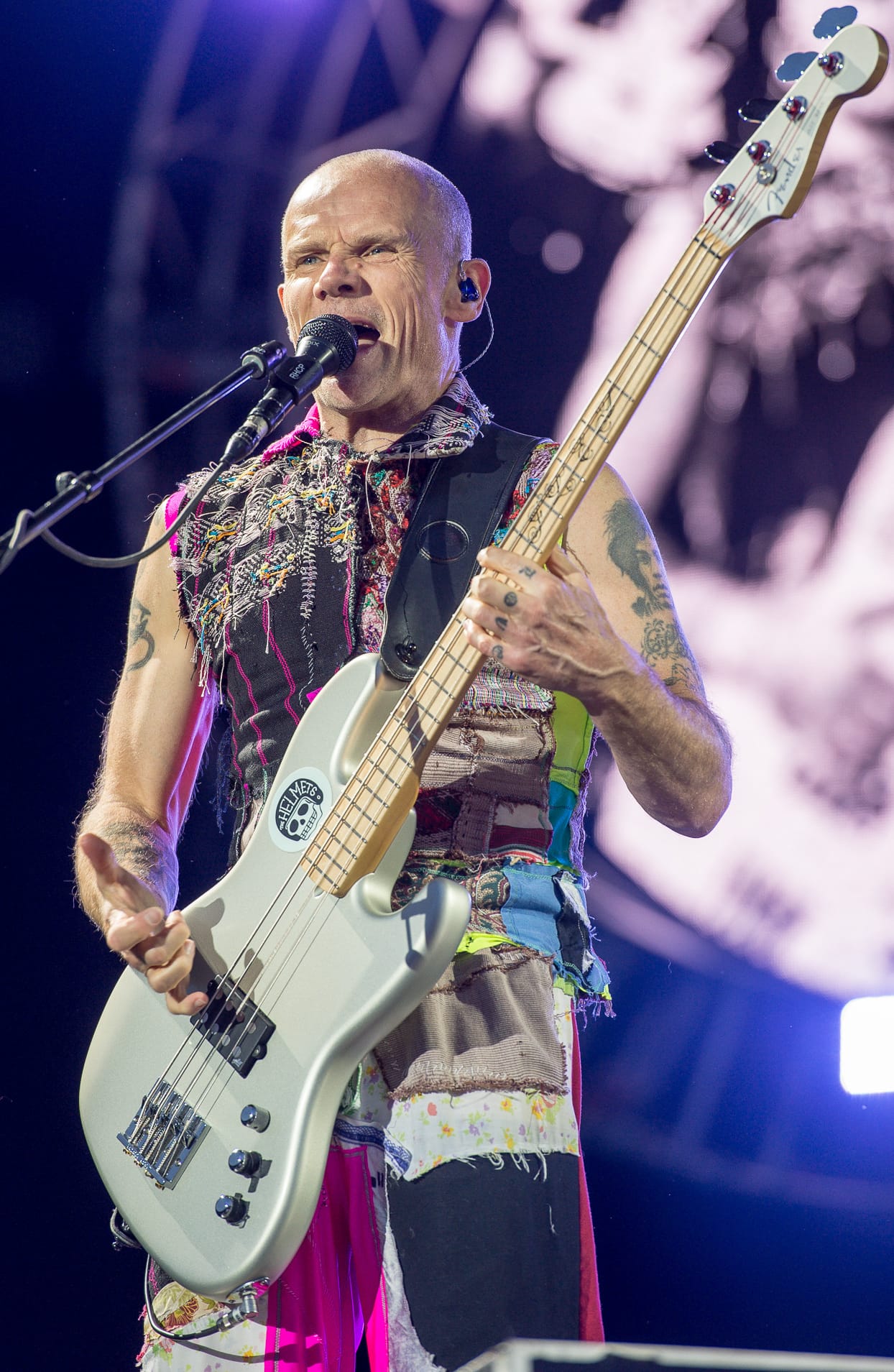
Flea (Michael Balzary) is an Australian born American bassist, and a founding member of the Red Hot Chili Peppers.
In 1982, Flea co-founded the Red Hot Chili Peppers with vocalist Anthony Kiedis, guitarist Hillel Slovak, and drummer Jack Irons. Their 1991 breakthrough album, Blood Sugar Sex Magik, launched them into global stardom.
 rockreads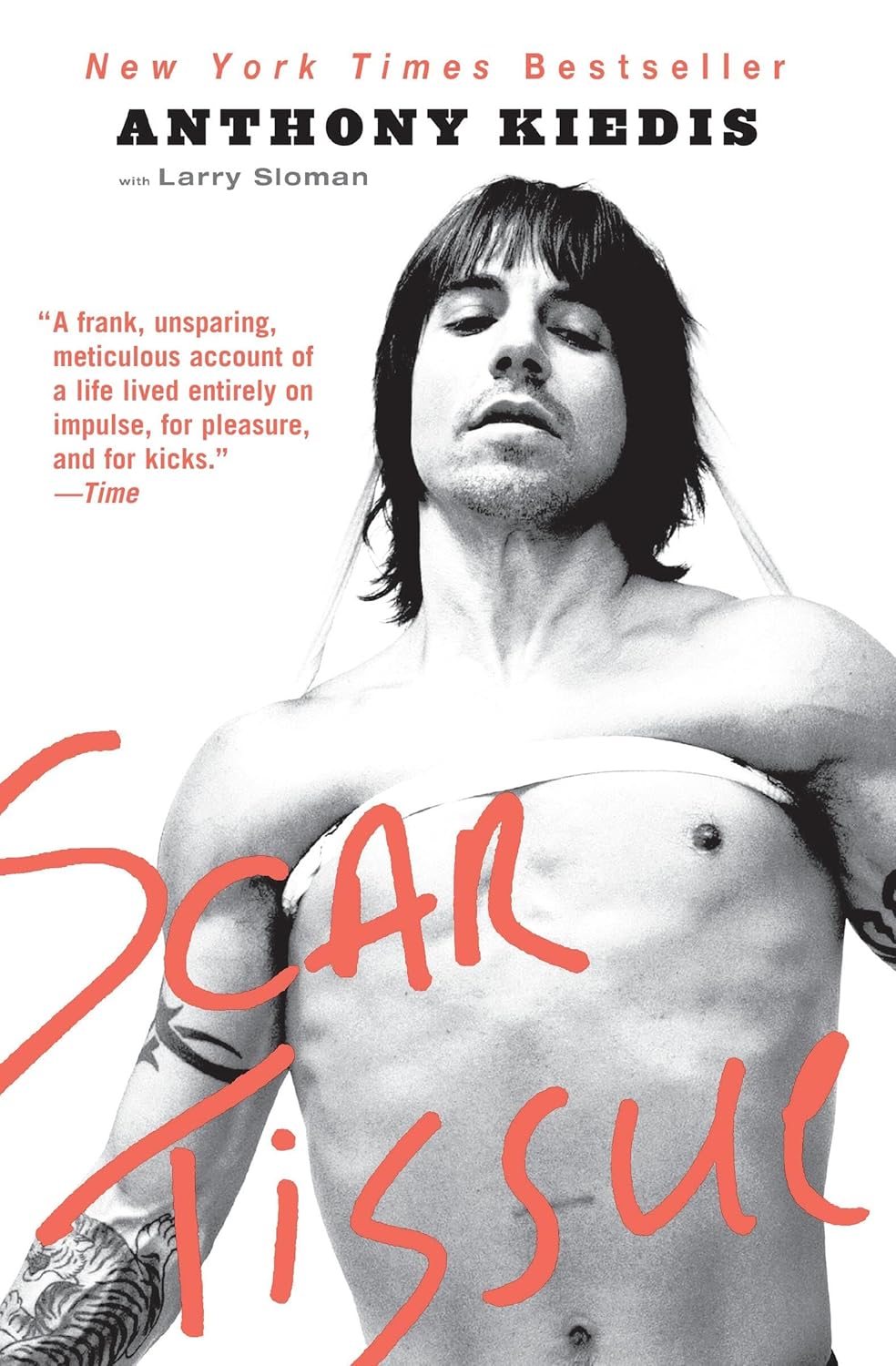
Flea is regarded as one of the most innovative and energetic bass players in rock history. His slap bass style helped define the band’s signature sound fusing funk, punk, and alternative rock.
The group were inducted into the Rock and Roll Hall of Fame in 2012.
Flea's memoir, Acid for the Children was released on November 5, 2019.
Childhood in Motion
Born in Australia, Flea’s early life is marked by upheaval including his moves to New York, and later to Los Angeles for his father's work.
The book captures his childhood not as nostalgia, but as sharp, confusing, and little awkward.
His mother:
"Backstage at an early Chili Pepper show, my mom and I stood together. A few days later a friend told me, “I saw you talking to this woman and it struck me strangely that as she spoke you completely ignored every word out of her mouth. But she kept talking. I didn’t realize it was your mom.” - Flea, Acid for the Children (2019)
“If I ever catch you smoking marijuana I will beat the hell out of you, you will lose every privilege!” I was probably stoned when she said it and thought she was being ignorant." - Flea, Acid for the Children (2019)
One of the most compelling threads running through Acid for the Children is Flea’s sense of alienation. He is a hyper, weird, skinny, insecure kid.
Music becomes that thing for him.
His love of the trumpet is described with reverence. Jazz isn’t a background detail here; he idolizes Miles Davis and Dizzy Gillespie as icons and mentors. There’s something moving about how seriously young Flea takes music.
Anthony, Friendship, and the Spark
When Anthony Kiedis enters the picture, the book shifts gears. Their friendship is electric from the start—two misfit boys bonding over humor, chaos, and performance.
"I liked Anthony right away. I could tell he was a misfit like me."
"The universe gives us the ones we need. And the ones we deserve."
"When I met him, my whole life changed, by virtue of a chemical reaction, of our intensely bonding and oft-dueling natures. I’d found the perfect partner in crime, a guy like me, who just didn’t give a fuck about any sort of convention. Anthony was a handsome devil. I, a quirky and ghostly Gabriel, a sprite, a Puck, a Pan" -Flea, Acid for the Children (2019)
The early formation of the Chili Peppers emerges not as destiny but as play; school talent shows, home performances. You sense that neither of them knows exactly what they’re building, only that they need it.
One of the strengths of the memoir is how it captures this friendship.

 rockreads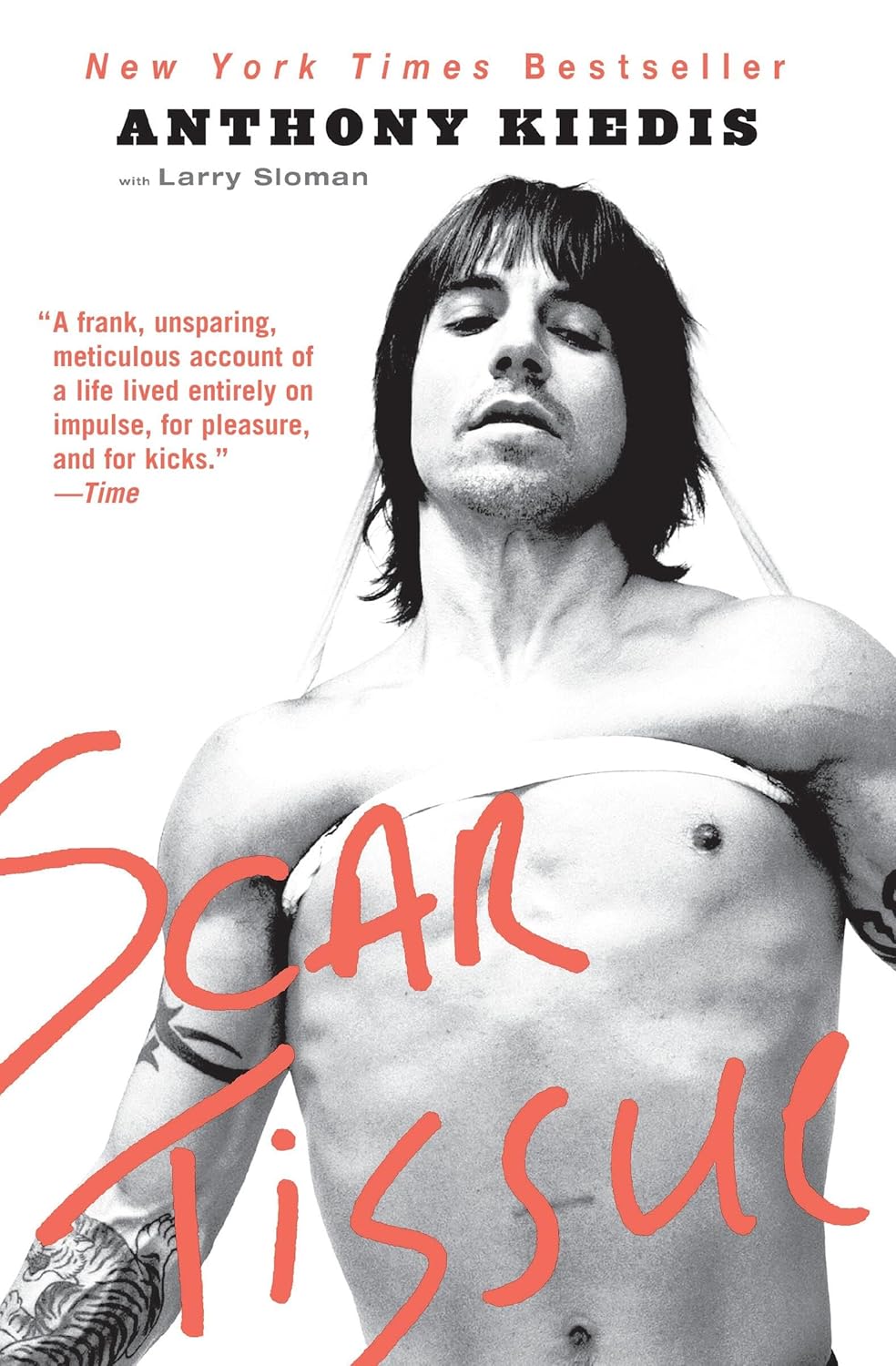
Language Like Feedback
Some readers may find the book's structure disorienting. Time jumps around and the book has several notes/quotes, and other small add-ins. The structure mimics memory—imperfect, but alive. He also likes to include some random memories.
Stranger on the street to Flea:
“Listen to me. Now is the time to be healthy. Treat your body and soul well. You can’t see the damage you do to yourself now, but when you get old you will suffer. Give yourself a chance to be in perfect health. Be an honest and kind person. It is the only thing.” I told him okay and he walked on, fading away down Fairfax Avenue. A guardian angel giving me a heads-up, but alas, I took no heed, and later paid the price accordingly. Foreshadowing." - Flea, Acid for the Children (2019)
Story about the Acid for the Children (2019) book cover:

"I was googly-eyed attracted to Freddie’s two older sisters, especially the eighteen-year-old bombshell, Vickie. She took us to a nude beach one day. When she shed her clothes it was beyond incredible. She took a cold ocean swim and came back wet, tan, athletic, and happy. Every little drop of ocean water sparkling on her unbridled and explosive nakedness was an infinite universe. Her nipples could have taken an eye out. I was embarrassed by my hard-on and lay on my stomach to conceal it. We then got stoned as fuck (see book cover) and swam in the ocean. My head is still swimming thinkin’ about it, the naked girls, the sun, the ocean, lying stoned in the sun. Damn, it was a fine day……" - Flea, Acid for the Children (2019)
Drugs
Given Flea’s later public struggles with addiction, readers might expect a heavy focus on substance abuse. This memoir treats any drug use as more of a side note. LSD trips, experimentation, teenage recklessness—they appear, but they don’t dominate.
"LSD was good to me. Opening me up to another dimension, it helped me see what life was for, and the purpose of my yearnings. I made many of the wisest decisions of my life while on acid or psilocybin mushrooms"- Flea, Acid for the Children (2019)
"I was too ambitious and excited by the things I loved to ever become a junkie. And goddamnit, a heroin hangover is the fucking worst. It took quite a while to figure out that the hangover was worse than the high was good, that it was a losing bargain, and stop."- Flea, Acid for the Children (2019)
The Refusal of Rock-Star Tropes
Perhaps the boldest choice Flea makes is what he leaves out and where the books ends.
There are no detailed tales of backstage excess, parties or the big success. No lengthy takedowns of former bandmates. No score-settling and no ego. The memoir ends just as many rock autobiographies would begin.
Some readers may feel cheated. But this feels less like omission and more like boundary. Flea is telling the story he wants to tell—the story of how a boy becomes an artist.
Final Verdict
Acid for the Children is less a rock memoir and more a coming-of-age fever dream set to a fun bass line. It’s a bit messy, passionate, occasionally indulgent, and frequently beautiful.
Flea went for a different angle and tone in this book, Acid for the Children, than Anthony Kiedis did with Scar Tissue. Reading this book, makes me realize why; Despite being such close friends, Flea didn't value the same things as Kiedis along the way. Definitely very different people.
 rockreads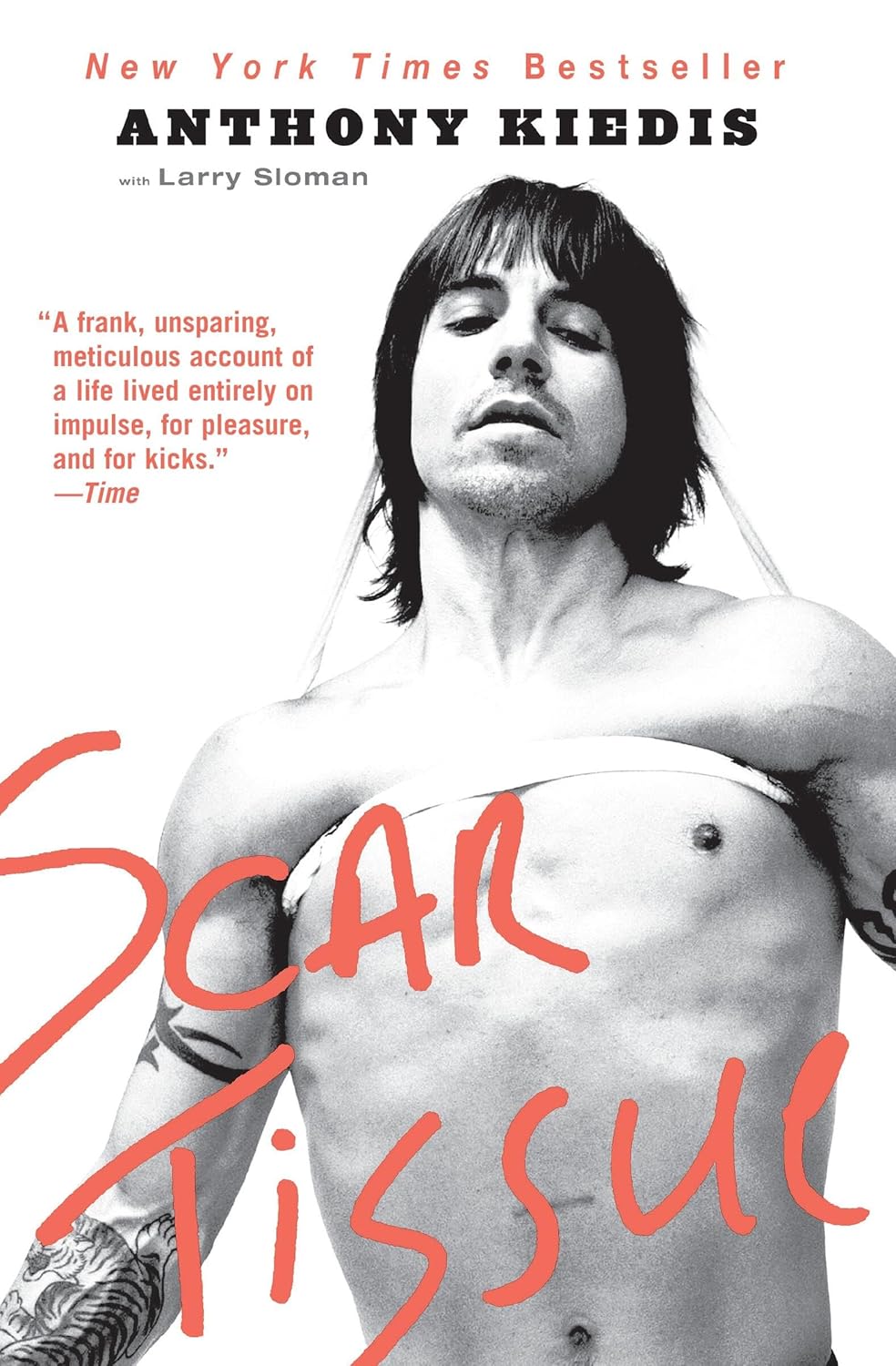
I did enjoy that Flea included lists of his favorite concerts, albums and books at the end of the book. I'd like to check out some of his favorites.
In the end, Acid for the Children isn't about being a rock star.
It’s about becoming yourself.
Rating 4/5