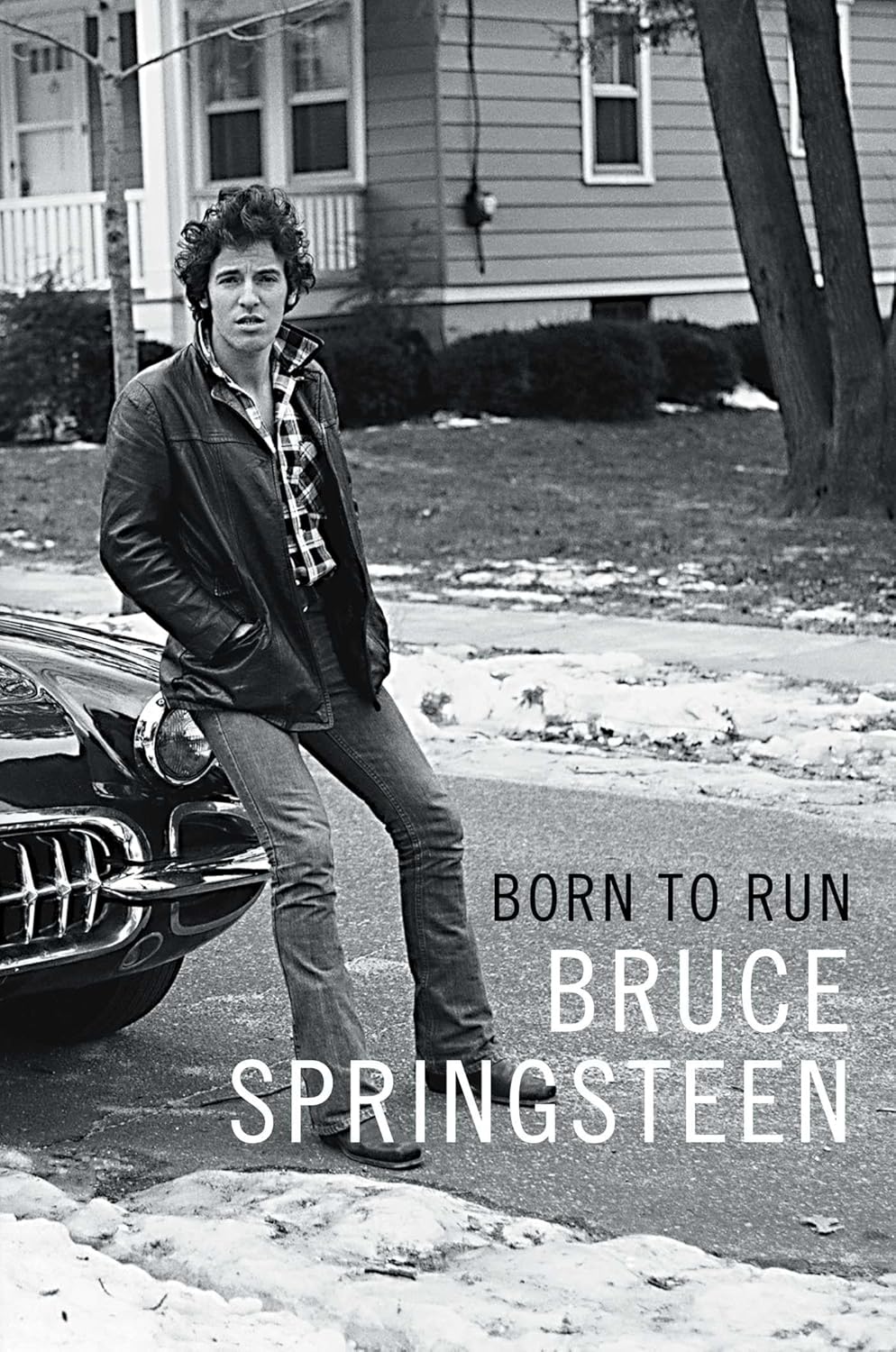
Born to Run (2016) Book Review: Inside Bruce Springsteen’s Life, Music, and Legacy of the Boss

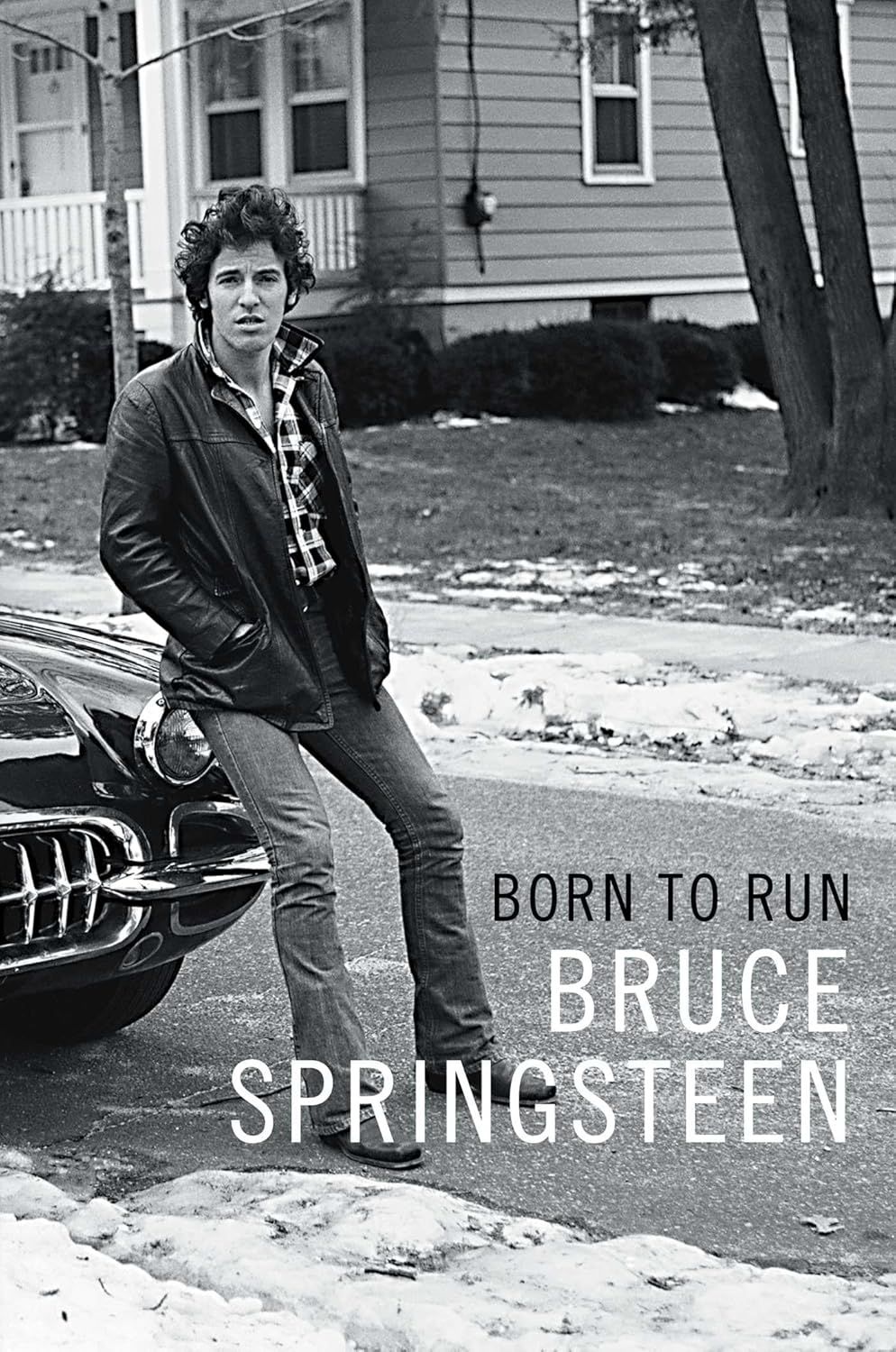
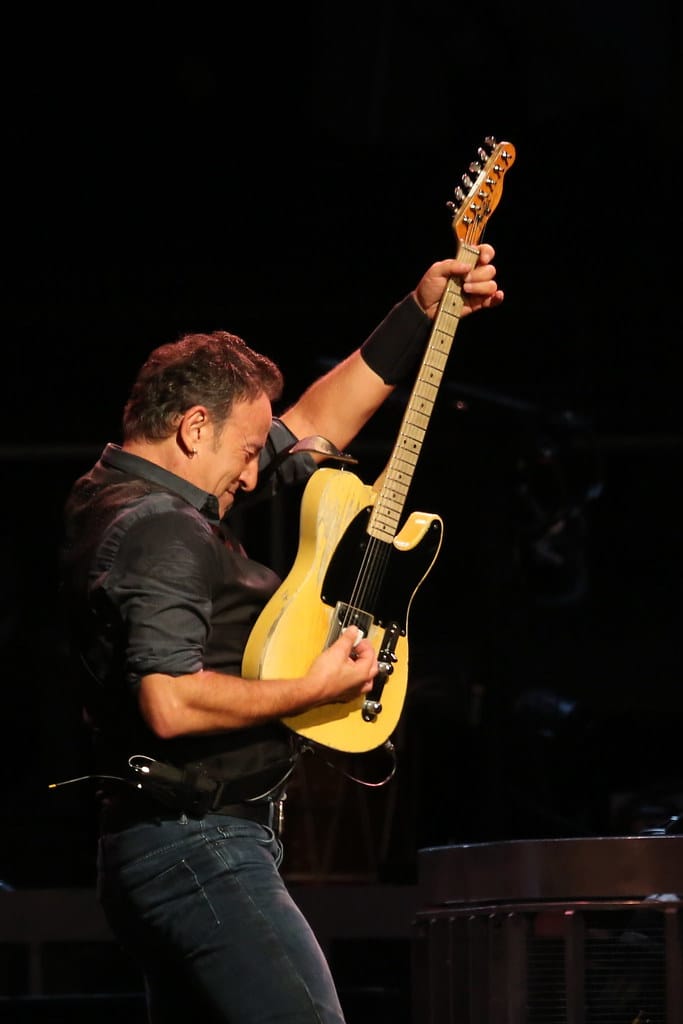
For decades, “The Boss” has been synonymous with heartland Americana rock, live shows, and songs about working-class dreams.
Written over seven years, this book is equal parts rock history, personal confession, and meditation on creativity.
Born to Run (2016)
The Story Behind Born to Run
Springsteen began writing the memoir after performing at the 2009 Super Bowl. The experience made him reflect on the long career road from the bars of New Jersey to one of the biggest stages.
What followed was years of writing and the the result is a memoir that reads much like one of his songs: reflective, poetic, and deeply personal.
The title references Springsteen’s breakthrough album Born to Run released in 1975. That record transformed him from a struggling musician into a global rock icon.
But this memoir reveals just how fragile that success once felt.
Growing Up in Freehold, New Jersey
One of the strongest sections of the book is Springsteen’s portrait of his childhood.
Raised in New Jersey, Springsteen grew up in a working-class household marked by tension and financial instability. His father struggled with mental health issues and depression, while his mother worked long hours to help support the family.
Springsteen writes about these years in detail; the neighborhood streets, Catholic school discipline, and the smoky local bars.
"The poor souls who comprised most of my Catholic male colleagues didn’t yet realize that GIRLS LOVE TO DANCE! So much so that they’ll get on the dance floor with just about any geek who’s got a few moves. That geek was ME!"
The emotional center of these chapters is the complicated relationship between Bruce and his father — a man who rarely showed affection but cast a long shadow over his son’s life.
This relationship becomes a recurring theme throughout the memoir and eventually influences many of Springsteen’s most powerful songs.
Discovering Rock and Roll
Like several musicians of his generation, Springsteen’s life changed after seeing Elvis Presley on television.
Springsteen describes the early days of learning guitar, forming bands, and playing in local clubs across New Jersey. These scenes capture the chaotic energy of the late 1960s rock scene — cheap equipment, unreliable bandmates, and endless gigs in smoky bars.
"I hid behind the big microphone and screamed my head off . . . “Ahhhh, ahhhh, ahhhh, ahhhhh . . . well shake it up, baby, now . . .” An embarrassing performance but I felt pretty good about it."
Springsteen shows how persistence, not instant talent, shaped his career.
He writes openly about failed bands, awkward performances, and years spent searching for a sound that felt authentic.
The Birth of the E Street Band
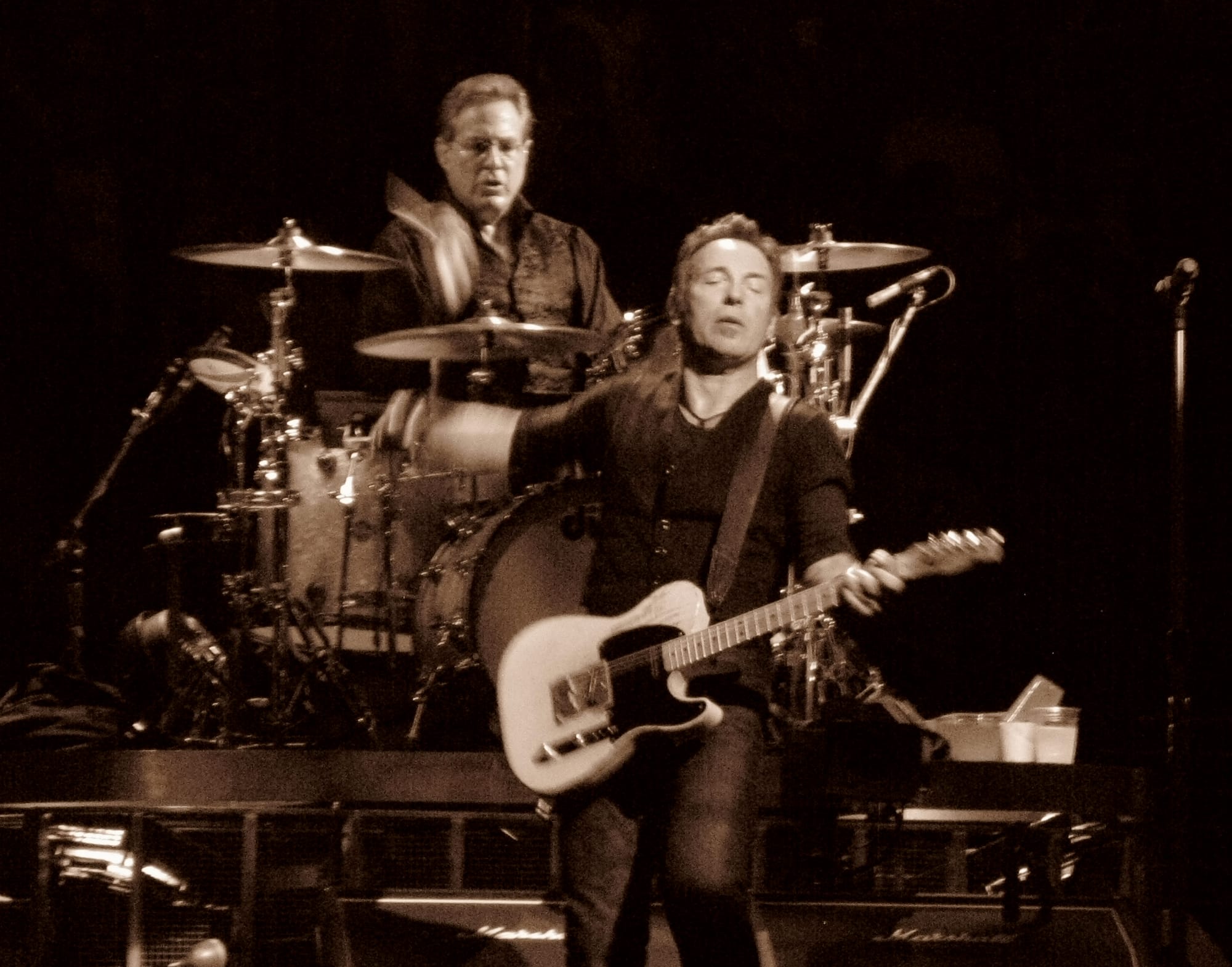
Springsteen's story would not be complete without the legendary E Street Band.
Springsteen details how the band gradually formed from a rotating cast of musicians in the early 1970s. The personalities of Clarence Clemons, Steven Van Zandt and drummer Max Weinberg are colorful, chaotic, and unforgettable.
"We don’t hide our cards. We don’t play it cool. We lay ourselves out in clear view. While I love a hidden quality in other performers, as a group we aren’t figures unduly shrouded in mystery or mystique. We aspire to be understood and accessible, a little of your local bar band blown up to big-time scale."
Springsteen describes these musicians not just as bandmates but as brothers — a family built on long car rides, shared ambition, and the pursuit of something big.
The Making of a Classic Album
One of the most compelling chapters of the book focuses on the creation of Springsteen’s iconic 1975 album, Born to Run.
At the time, Springsteen’s career was hanging by a thread. His first albums had received critical praise but sold poorly. The pressure was enormous.
Springsteen describes obsessive recording sessions that stretched for months. Songs were rewritten dozens of times. Entire arrangements were scrapped and rebuilt.
When the album finally released, it turned him into a star overnight — landing him simultaneously on the covers of Time and Newsweek.
Life on the Road
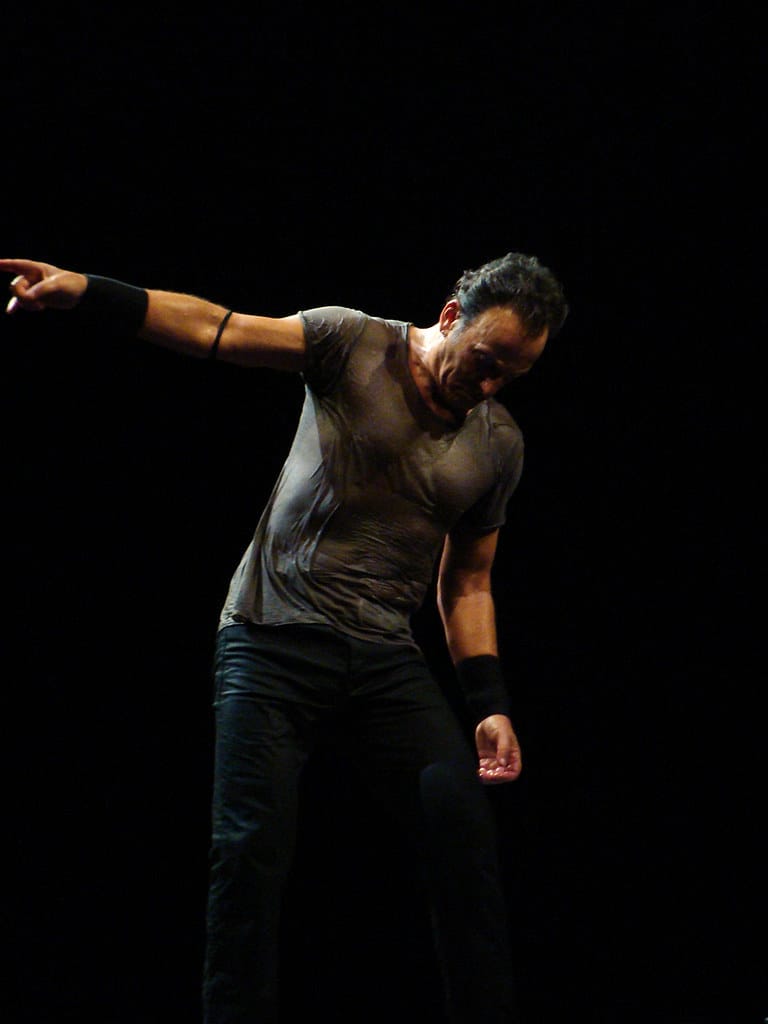
Touring is another major theme throughout the memoir.
The road, however, came with a cost. Endless touring strained relationships, exhausted the band, and pushed Springsteen to the edge physically and emotionally.
"Born in the USA went nuclear. I knew I had a real runner in the title cut but I didn’t expect the massive wave of response we received. Was it timing? The music? The muscles? I dunno, it’s always a bit of a mystery when something breaks that big. At thirty-four, I decided to ride it out and enjoy it. I’d grown strong and knew how to withstand the spotlight, but over the next few years, I’d be rigorously tested."
Some of the book’s most entertaining moments come from these tour stories — backstage scenes, unpredictable crowds, and the sheer stamina required to perform hours long concerts night after night.
Fame, Anxiety, and Depression
Perhaps the most surprising aspect of Born to Run is its emotional honesty.
Despite his confident stage persona, Springsteen reveals that he has battled depression for much of his adult life. Fame did not protect him from these struggles. The pressure of success sometimes intensified them.
Springsteen writes openly about therapy, medication, and the long process of understanding his mental health. These passages add a level of depth rarely seen in rock memoirs.

The Craft of Songwriting
The songwriting insights in Born to Run are a major highlight.
Springsteen explains how his songs often begin with a character or story rather than a melody. He imagines the lives of working people — factory workers, small-town dreamers, restless teenagers — and builds narratives around them.
Springsteen emphasizes revision, persistence, and ruthless self-editing.
Many songs took months or years to fully develop.
Writing Style and Voice
Springsteen’s writing carries the same rhythm, description and imagery found in his lyrics. Streets glow with neon lights, highways stretch endlessly into the night, and characters feel pulled straight from his songs.
The book also moves at an engaging pace despite its length. Springsteen knows when to slow down for emotional moments and when to speed through the whirlwind years of touring and recording.
For a memoir that spans more than four decades, it never feels dull.
Why Born to Run Stands Out Among Rock Memoirs
Instead of focusing heavily on scandal or sensational stories, Springsteen concentrates on the deeper forces that shaped him — family, creativity, ambition, and emotional struggle.
This approach makes the book feel more thoughtful and introspective than some celebrity memoirs.
It’s not just a story about rock stardom.
It’s a story about identity.
Final Verdict
Through candid storytelling, Bruce Springsteen reveals the long road behind his legendary career — from bar gigs in New Jersey to global stardom.
But the real power of the book lies in its vulnerability. Springsteen shows that even someone known as “The Boss” has struggled with doubt, anxiety, and the search for meaning.
Rating: 4.5/5