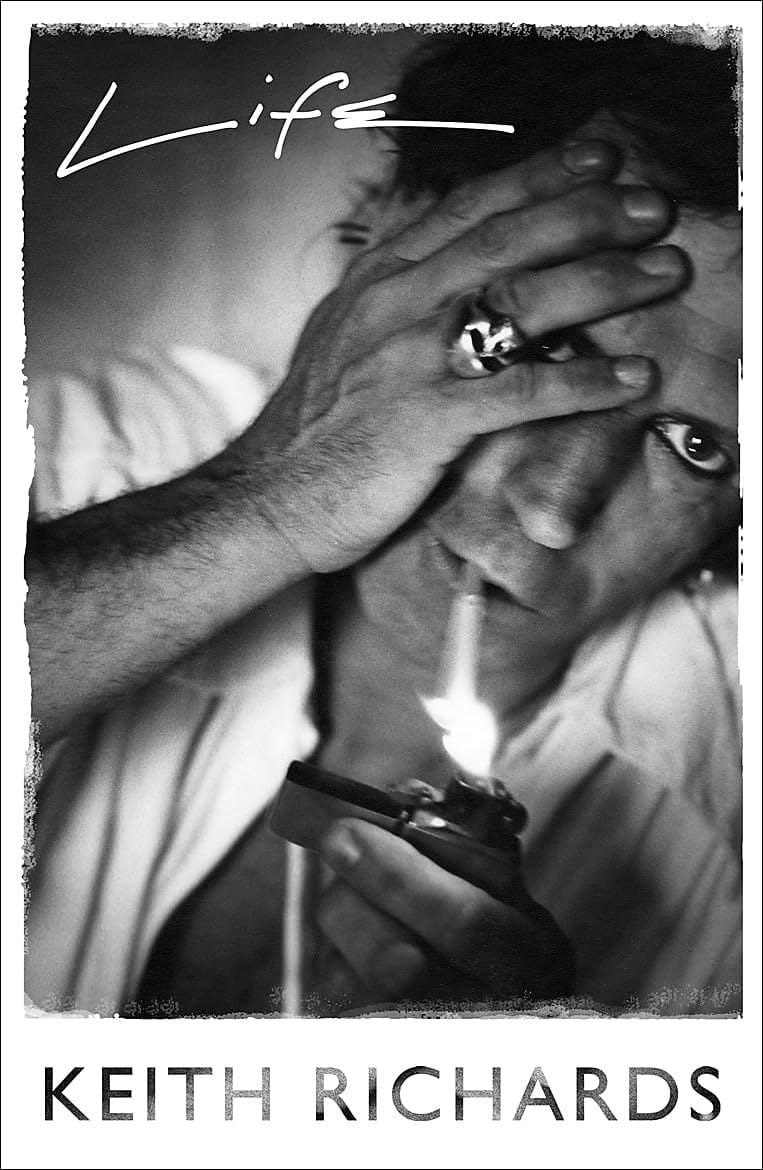
Life (2010) Book Review: Keith Richards - A Rolling Stone Doesn't Polish the Edges

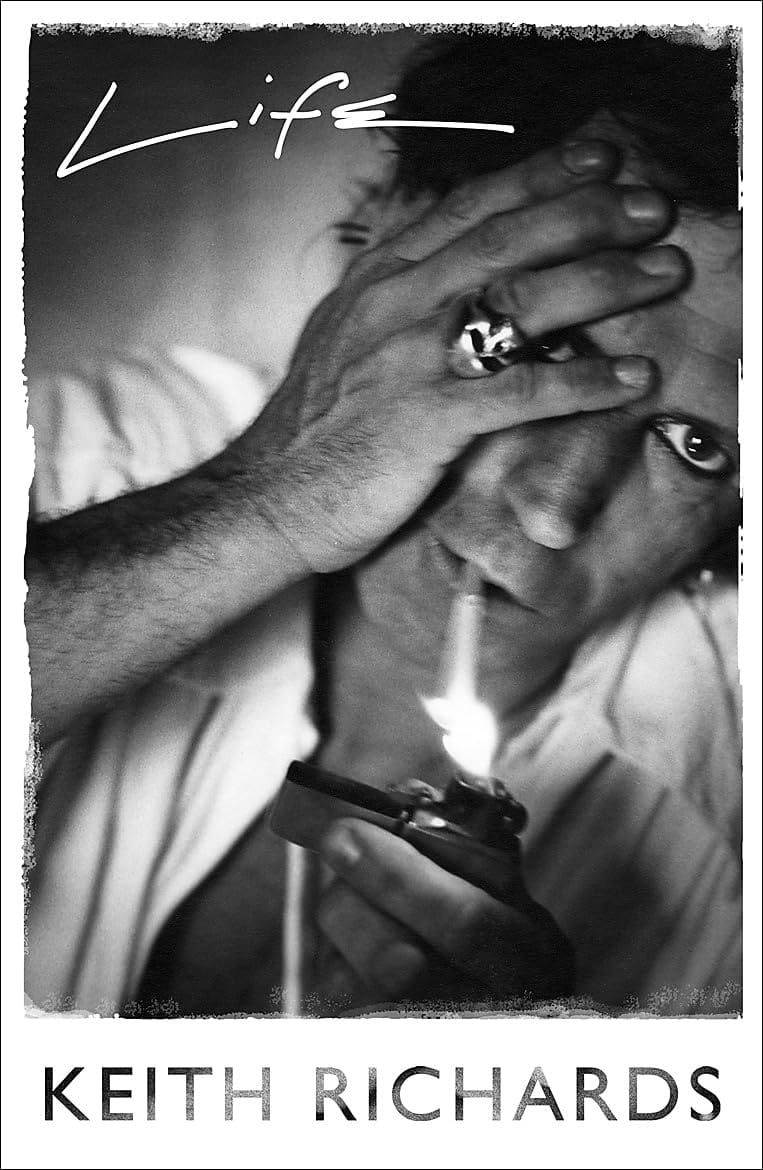
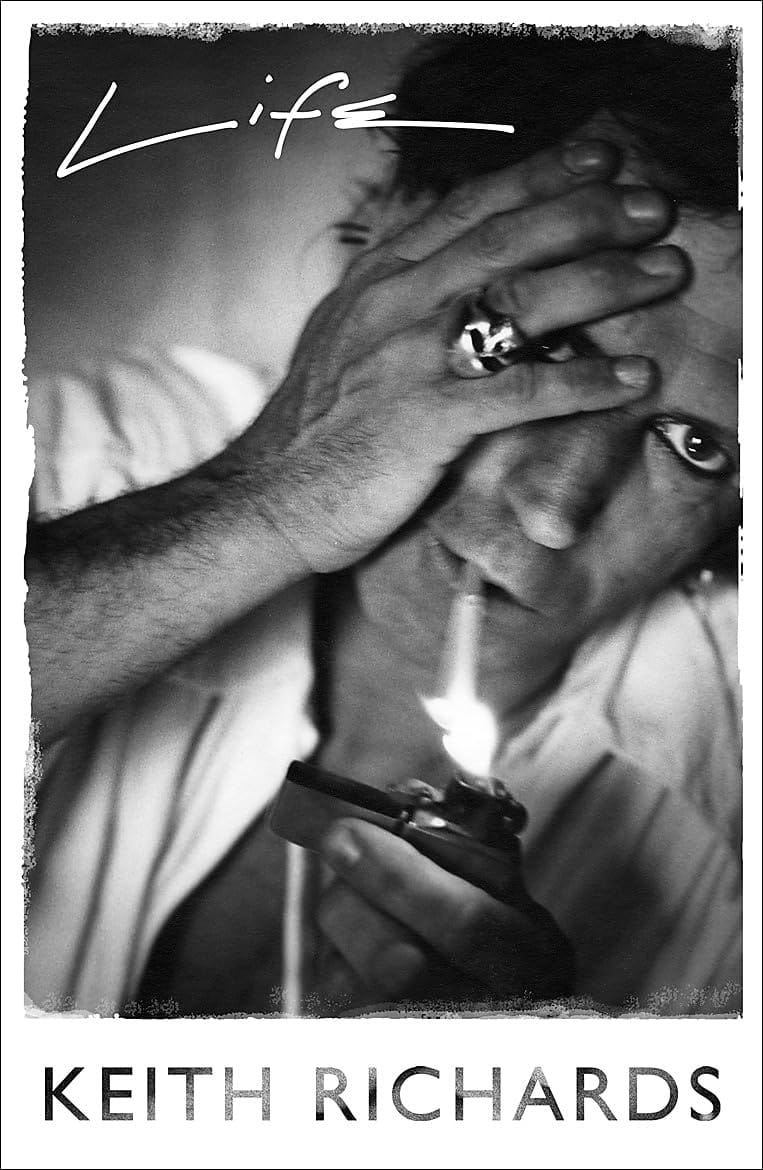
When Keith Richards released his autobiography in 2010, expectations were sky‑high and deeply suspicious at the same time. This was the Rolling Stones’ guitarist, the man who had somehow survived every excess the rock machine could throw at him. Surely this would be either a carefully managed legend‑polishing exercise or a lurid greatest‑hits reel of drugs, debauchery, and near‑death anecdotes.
Instead, Life lands somewhere far more interesting. It’s funny, raw, oddly tender, and frequently obsessive about the details that actually matter to Keith Richards: music, feel, rhythm, loyalty, and betrayal.
Life(2010)
What the Book Is About
Life traces Richards’ journey from a working‑class childhood in postwar England to the center of the greatest rock ’n’ roll band in history. Along the way, he explores his early musical influences—blues, jazz, and American roots music—his deep bond with Mick Jagger, the rise of the Rolling Stones, and the decades‑long grind of touring, recording, and surviving.
“All the other stuff that's going on underneath is crap, but that one note makes it sublime.”
The book is structured loosely chronologically, sometimes doubling back and diving deep into specific eras or relationships. Richards spends considerable time on the early Stones years, the making of classic albums like Beggars Banquet, Let It Bleed, and Exile on Main St., and the chaotic period of the late ’60s and ’70s when the band flirted constantly with collapse.

Keith Richards’ Voice
One of Life’s greatest strengths is that it genuinely sounds like Keith Richards; conversational, blunt, and rhythmically loose, as if he’s talking across a kitchen table with a cigarette burning down in an ashtray. There’s humor everywhere—often dry, sometimes savage.
He is surprisingly reflective about his flaws and limitations, admitting where he was stubborn, reckless, or blind. At the same time, he is unapologetically opinionated. Richards has strong feelings about producers, managers, bandmates, and fellow musicians, and he doesn’t sand those edges down for politeness.
Most notably, Richards’ love for music is infectious. When he writes about guitar tones, grooves, or the magic of a locked‑in rhythm section, the pages hum.

The Mick Jagger Question
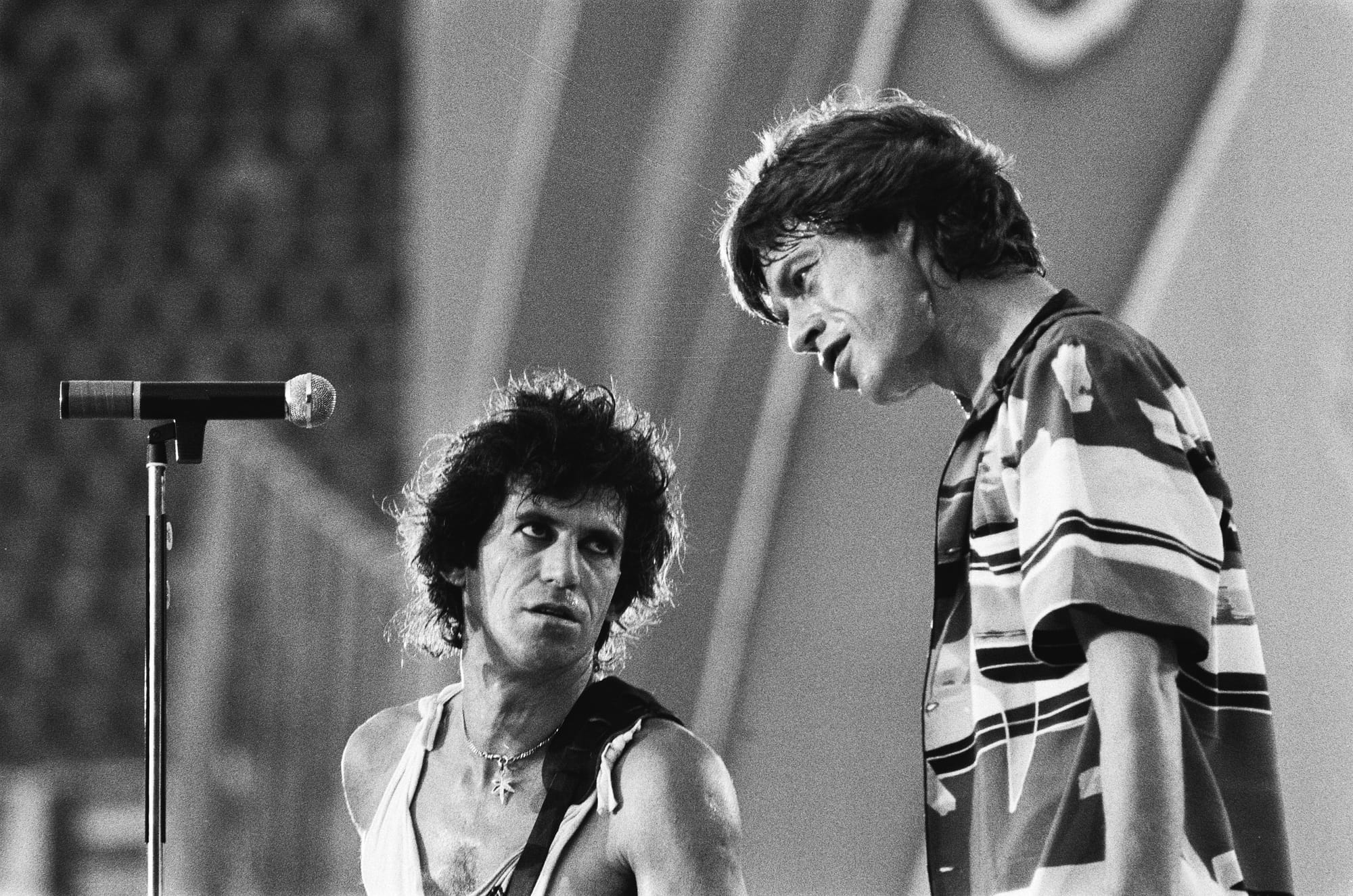
No discussion of Life is complete without addressing Mick Jagger. Richards devotes significant space to their relationship, portraying it as both a brotherhood and a slow‑burn rivalry. He credits Jagger with intelligence, ambition, and a crucial role in the Stones’ success, while also criticizing what he sees as Mick’s ego, control issues, and distance from the band’s roots.
“The only things Mick and I disagree about is the band, the music, and what we do.”
These sections caused the most controversy upon release, with many readers questioning whether Richards was settling old scores. What makes them compelling is their complexity. Richards clearly loves Jagger, but that love is tangled with resentment, disappointment, and a sense of shared history that can’t be undone.
Rather than reading as a hit job, these passages feel like a man finally saying out loud what he’s been thinking for decades. It’s messy.
Addiction, Survival, and Myth
Richards does not glamorize his drug use, but he also refuses to frame himself as a simple cautionary tale. He describes addiction as something that coexisted with his creativity, not something that defined it.
“I've never had a problem with drugs. I've had problems with the police.”
Near‑fatal moments are recounted with the same tone as studio anecdotes or travel stories. This detachment can feel unsettling, but it also reinforces the sense that Richards sees survival as a matter of instinct rather than triumph.
Importantly, Life never suggests that excess is necessary for great art. If anything, Richards emphasizes discipline—listening, practicing, showing up, and respecting the music—as the real secret behind longevity.
Strengths and Weaknesses
At its best, the book's humor, musical insight, and emotional complexity set it apart. Richards’ reflections on creativity, collaboration, and endurance are valuable.
That said, the book is not tightly edited. It sprawls, repeats itself, and occasionally lingers too long on certain grievances.

Final Verdict
Life is not a tell‑all exposé. It’s a deeply personal account of a man who built his life around rhythm, loyalty, and sound, and who paid the price for that devotion in more ways than one.
For fans of the Rolling Stones, Life is essential reading.
Rating: 4 / 5